Solar Panel Types Compared
Monocrystalline, polycrystalline, and thin-film — understand the efficiency, cost, lifespan, and suitability of each panel technology for Malta's hot Mediterranean climate.
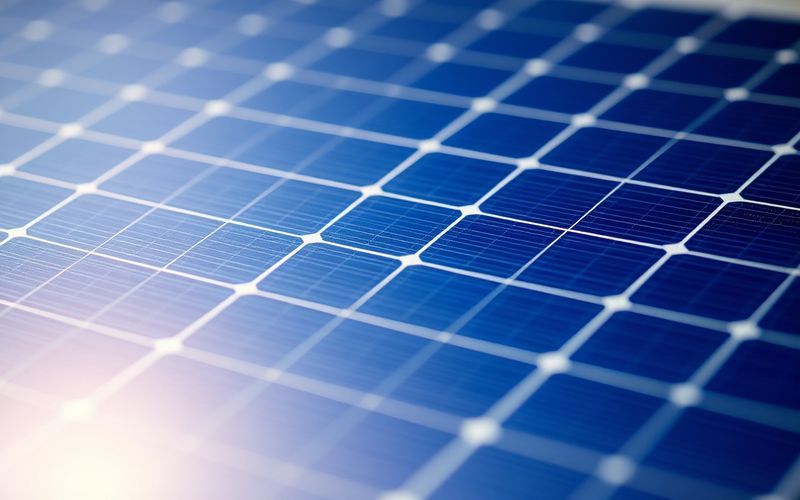
Three Main Types of Solar Panels
Not all solar panels are created equal. The three main technologies — monocrystalline, polycrystalline, and thin-film — each offer different trade-offs in efficiency, cost, appearance, and suitability for Malta's hot Mediterranean climate. Understanding these differences will help you make the best choice for your home or business.
Monocrystalline Solar Panels
Monocrystalline panels are made from a single, continuous crystal of silicon. You can recognise them by their uniform dark black appearance and rounded cell corners. They represent the premium tier of solar panel technology and are the most popular choice for residential installations in Malta.
How They Are Made
A single silicon crystal ingot is grown using the Czochralski process, then sliced into thin wafers. Because the silicon has a uniform crystal structure throughout, electrons flow more freely, resulting in higher efficiency.
Pros
- Highest efficiency: 20–22% for standard panels, with some premium models exceeding 23%.
- Best power output per square metre: Ideal when roof space is limited, which is common on Maltese properties.
- Better heat tolerance: Lower temperature coefficient means less performance loss on Malta's hot summer days (typically -0.3% to -0.35% per degree above 25°C).
- Longest lifespan: 25 to 30+ years with strong output warranties.
- Sleek appearance: The uniform black look blends well with most rooftops.
Cons
- Higher upfront cost: Typically 10–20% more expensive than polycrystalline panels.
- More silicon waste during manufacturing: The cylindrical ingot must be trimmed to form square wafers.
Best for Malta
Monocrystalline panels are the top choice for most Maltese homes. Their superior efficiency per square metre makes them ideal for compact flat rooftops, and their lower temperature coefficient means better performance during Malta's scorching summers.
Polycrystalline Solar Panels
Polycrystalline (also called multicrystalline) panels are made from multiple silicon crystals melted together. They have a distinctive blue, speckled appearance due to the multiple crystal boundaries within each cell.
How They Are Made
Molten silicon is poured into a square mould and allowed to cool, forming multiple crystals. The resulting block is sliced into wafers. This simpler process uses less energy and produces less waste than monocrystalline manufacturing.
Pros
- Lower cost: More affordable per watt than monocrystalline, making them attractive for budget-conscious buyers.
- Good efficiency: 15–17% for standard panels, which is still respectable.
- Less manufacturing waste: The square casting process wastes less raw silicon.
- Proven technology: Decades of real-world performance data.
Cons
- Lower efficiency: You need more roof space to achieve the same output as monocrystalline panels.
- Higher temperature coefficient: Performance drops more in Malta's peak summer heat (typically -0.4% to -0.45% per degree above 25°C).
- Less uniform appearance: The blue, speckled look is less aesthetically appealing to some homeowners.
- Declining market share: As monocrystalline prices have dropped, polycrystalline panels are becoming less common.
Thin-Film Solar Panels
Thin-film panels are made by depositing one or more layers of photovoltaic material onto a substrate such as glass, plastic, or metal. The most common types include Cadmium Telluride (CdTe), Amorphous Silicon (a-Si), and Copper Indium Gallium Selenide (CIGS).
Pros
- Flexible and lightweight: Can be applied to curved surfaces, building facades, and portable applications.
- Better performance in low light: Performs relatively better in diffuse light and partial shading compared to crystalline panels.
- Lower cost per panel: Cheaper to manufacture on a per-unit basis.
- Aesthetic versatility: Can be integrated into building materials (BIPV) for a seamless look.
Cons
- Lowest efficiency: Only 10–13%, meaning you need significantly more surface area.
- Faster degradation: Shorter lifespan and higher degradation rates than crystalline panels.
- Not practical for most Maltese rooftops: Limited roof space makes the low efficiency a significant drawback.
- Fewer residential options: Most thin-film panels are designed for commercial or utility-scale projects.
Comparison Table
| Feature | Monocrystalline | Polycrystalline | Thin-Film |
|---|---|---|---|
| Efficiency | 20–22% | 15–17% | 10–13% |
| Cost per Watt | Higher | Moderate | Lowest |
| Lifespan | 25–30+ years | 25–30 years | 15–20 years |
| Temperature Coefficient | -0.3% to -0.35%/°C | -0.4% to -0.45%/°C | -0.2% to -0.25%/°C |
| Appearance | Black, uniform | Blue, speckled | Varies, can be flexible |
| Space Required (1 kWp) | ~5 m² | ~6–7 m² | ~9–12 m² |
| Best For | Limited roof space, hot climates | Budget installations, large roofs | Curved surfaces, BIPV, portable |

Which Panel Type Is Best for Malta?
For most homeowners in Malta, monocrystalline panels are the clear winner. Here is why:
- Limited roof space: Maltese properties typically have compact, flat rooftops. Monocrystalline panels generate the most power per square metre, so you can maximise output even with limited area.
- Heat performance: Malta's summer temperatures regularly exceed 35°C, and rooftop surfaces can reach 60°C or more. Monocrystalline panels lose less efficiency in the heat than polycrystalline alternatives.
- Falling prices: The price gap between monocrystalline and polycrystalline has narrowed significantly in recent years. The small premium for monocrystalline is easily offset by higher energy production over the panel's lifetime.
- Longer warranties: Top monocrystalline brands offer 25-year product warranties and 30-year performance guarantees, giving you decades of reliable output.
Polycrystalline panels can still make sense for larger commercial installations where roof space is abundant and budget is the primary concern. Thin-film panels are rarely used for standard Maltese rooftop installations but may suit niche applications like building-integrated photovoltaics (BIPV) on facades or carport canopies.

Newer Technologies to Watch
Bifacial Solar Panels
Bifacial panels can capture sunlight on both the front and rear sides of the panel. The rear side absorbs reflected light (albedo) from the rooftop surface or ground below. On light-coloured Maltese limestone rooftops, bifacial panels can generate 5–15% more energy than traditional single-sided panels of the same wattage.
Bifacial panels work best when mounted with some clearance above the roof surface to allow light to reach the back side. They are increasingly available in monocrystalline configurations and are worth considering for new installations.
Malta Advantage: Limestone Reflectivity
Malta's traditional globigerina limestone surfaces reflect a significant amount of light. When bifacial panels are installed above these surfaces with adequate clearance, the rear-side energy gain can reach the upper end of the 5–15% range, making bifacial technology particularly attractive on the islands.
Half-Cut Cell Technology
Half-cut cell panels use solar cells that have been laser-cut in half, doubling the number of cells in a panel (for example, 120 half-cut cells instead of 60 full cells). This design offers several advantages:
- Reduced resistive losses: Smaller cells carry less current, which means less energy lost to resistance in the cell and wiring.
- Better shade tolerance: If part of the panel is shaded, only a portion of the panel's output is affected rather than the whole panel.
- Improved durability: Smaller cells are less prone to micro-cracking from thermal stress or physical impact.
Most premium monocrystalline panels sold today already use half-cut cell technology. When shopping for panels in Malta, look for this feature as a standard inclusion.

Choosing the Right Panels for Your Project
When selecting solar panels for your Malta installation, consider these factors beyond just the panel type:
- Available roof area: Measure your usable roof space and calculate how many panels will fit.
- Budget vs. long-term value: Higher efficiency panels cost more upfront but produce more electricity over their lifetime.
- Warranty terms: Look for both a product warranty (covering defects) and a performance warranty (guaranteeing minimum output after 25 years).
- Installer recommendations: Work with a certified Maltese installer who can recommend panels suited to your specific roof orientation and shading conditions.
Ready to take the next step? Learn about the inverter that will pair with your panels in our Solar Inverter Guide, or explore the full process in our Going Solar Guide.