Solar Panel Maintenance in Malta
Keep your PV system performing at peak efficiency with the right cleaning schedule, monitoring tools, and maintenance practices for Malta's unique climate.
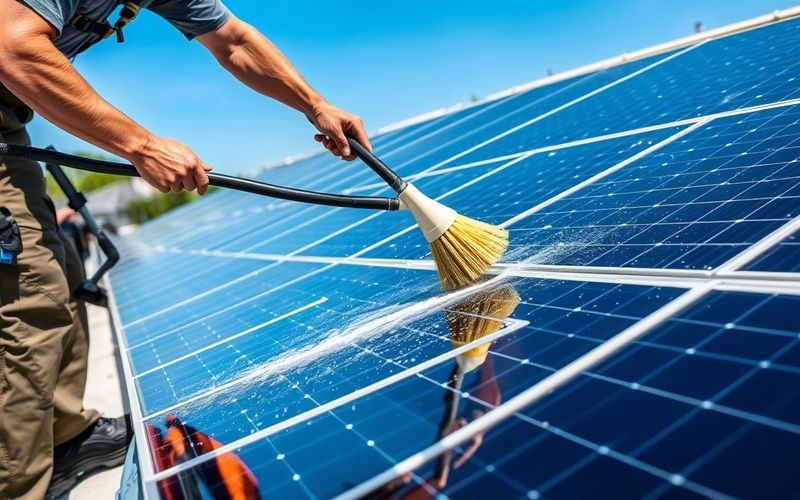
Why Solar Panel Maintenance Matters in Malta
Solar panels are remarkably low-maintenance, but Malta's Mediterranean climate presents specific challenges. Dust accumulation, salt spray from the sea, occasional Saharan dust events, and bird droppings can all reduce your system's output. A well-maintained system can produce 10–25% more energy than a neglected one.
The good news is that maintaining your solar panels is straightforward and inexpensive. With a simple cleaning routine and regular monitoring, you can ensure your system delivers maximum performance throughout its 25+ year lifespan.
Cleaning Your Solar Panels
How Often to Clean
In Malta, solar panels should be cleaned every 3–6 months. The frequency depends on your location and local conditions:
- Coastal areas: Every 3 months, due to salt spray and mineral deposits
- Urban/inland areas: Every 4–6 months, depending on dust and pollution levels
- Near construction sites: Monthly checks recommended during active building work nearby
- After Saharan dust events: Clean as soon as possible — these events can deposit a thick layer of fine red dust that significantly blocks sunlight
Saharan Dust Events
Malta experiences several Saharan dust episodes each year, particularly in spring and autumn. A single heavy event can reduce panel output by 15–30%. Monitor your system output closely during these periods and clean panels promptly after the dust settles.
DIY Cleaning
Most homeowners can safely clean their own panels with basic equipment:
- Use a soft brush or sponge with a long handle — never use abrasive materials
- Rinse with clean water. Avoid tap water with high mineral content if possible, as it can leave spots. Deionised water is ideal.
- Clean early in the morning or late afternoon when panels are cool — spraying cold water on hot panels can cause thermal stress and micro-cracks
- Never use harsh detergents, solvents, or high-pressure washers
- Prioritise safety — if your roof is steep or difficult to access, hire a professional
Professional Cleaning Services
Professional cleaning is recommended at least once a year, even if you do regular DIY cleaning. Professional services offer:
- Deionised water systems that leave no residue
- Visual inspection of panels, wiring, and mounting hardware
- Identification of potential issues before they become serious
- Cost: typically €50–100 for a standard residential system in Malta

Monitoring Your System
Modern solar inverters come with monitoring systems that let you track your system's performance in real time. Effective monitoring helps you spot issues early and maximise your return on investment.
Monitoring Tools and Apps
- Inverter manufacturer apps: Most major brands (SolarEdge, Enphase, Fronius, Huawei, SMA) offer free smartphone apps with real-time production data
- Web portals: Access detailed analytics and download reports through the manufacturer's online portal
- Third-party monitors: Standalone energy monitors can track both solar production and household consumption
- Smart home integration: Many systems integrate with smart home platforms for automated alerts and energy management
Set Up Alerts
Configure your monitoring app to send you alerts if daily production drops below expected levels. A sudden drop in output often indicates a fault, shading issue, or panels that need cleaning.
What to Monitor
- Daily production (kWh): Compare against expected output for the time of year
- Individual panel performance: If you have microinverters or optimisers, check that all panels are producing similar amounts
- Inverter status: Watch for error codes or warning indicators
- Self-consumption ratio: Track how much of your generated electricity you use directly versus exporting to the grid
Common Issues and Troubleshooting
Hotspots
Hotspots occur when a shaded or damaged cell becomes a resistive load instead of generating power. This causes localised heating that can damage the panel over time. Causes include partial shading, bird droppings, dirt accumulation, or cell defects. If your monitoring shows one panel consistently underperforming, a thermal imaging inspection can identify hotspots.
Micro-Cracks
Micro-cracks in solar cells can develop due to thermal cycling, mechanical stress, or poor handling during installation. While small cracks may not immediately affect performance, they can worsen over time. Annual professional inspections using electroluminescence imaging can detect micro-cracks before they cause significant losses.
Inverter Faults
The inverter is the most common point of failure in a solar PV system. Common issues include:
- Overheating: Ensure the inverter has adequate ventilation and is not exposed to direct sunlight
- Grid fault errors: Can be caused by voltage or frequency fluctuations on the Enemalta grid
- Isolation faults: May indicate moisture ingress or wiring issues
- Expected lifespan: String inverters typically last 10–15 years, so budget for a replacement mid-way through your system's life
When to Call a Professional
Contact a licensed electrician or your installer if you notice: persistent error codes on the inverter, a sudden significant drop in output, visible damage to panels or wiring, burning smells, or water ingress near electrical components. Never attempt electrical repairs yourself.
Annual Inspection Checklist
Once a year, perform (or commission a professional to perform) a comprehensive inspection covering:
- Visual inspection of all panels for cracks, discolouration, delamination, or snail trails
- Check mounting hardware for corrosion, loose bolts, or structural degradation
- Inspect all cables and connectors for damage, wear, or rodent chewing
- Verify inverter operation — check for error logs and ensure firmware is up to date
- Clean panels thoroughly using appropriate methods
- Check roof penetrations and sealants for water-tightness
- Review monitoring data for any unexplained drops in performance
- Test the system's isolation and earth fault protection
- Confirm the bi-directional meter is functioning correctly
- Document findings and schedule any necessary repairs
Warranty Considerations
Understanding your warranties helps protect your investment:
- Panel product warranty: Typically 10–15 years, covering manufacturing defects
- Panel performance warranty: Usually 25–30 years, guaranteeing at least 80–85% of rated output at end of warranty
- Inverter warranty: Typically 5–12 years (extendable on some models)
- Workmanship warranty: Provided by your installer, typically 2–5 years
Keep Records
Maintain copies of all warranties, installation documentation, and maintenance records. Some warranties require evidence of regular maintenance. Take dated photos during cleaning and inspections as proof of proper care.
Panel Degradation Over Time
All solar panels gradually lose a small amount of efficiency over their lifetime. This is normal and accounted for in system design:
- First year: Panels may experience light-induced degradation (LID) of 1–3% as the cells stabilise
- Subsequent years: Typical degradation of 0.5–0.7% per year for quality panels
- After 25 years: A well-maintained system should still produce 82–87% of its original rated output
- Factors in Malta: High UV exposure and heat can slightly accelerate degradation compared to cooler climates, making quality panel selection even more important
